
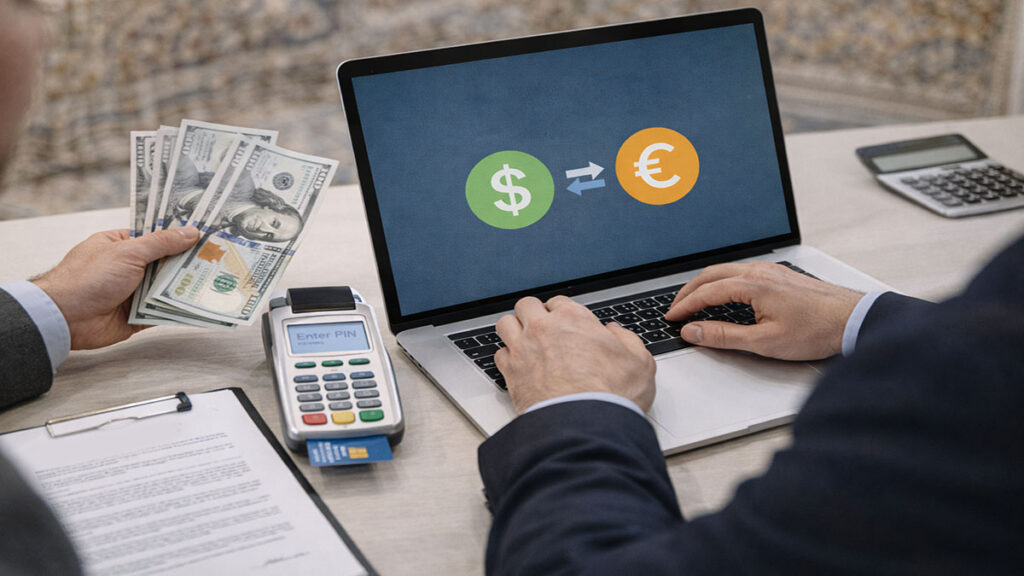
In the process of exporting Iranian carpets, after selecting the target market, preparing the product, and negotiating with the buyer, the most important challenge is how to securely, swiftly, and legally receive payment from the foreign customer. This issue is even more sensitive for Iranian exporters due to international banking sanctions, strict financial regulations, and remittance restrictions, all of which have complicated payment pathways.
However, the world is changing, and there are various reliable solutions for international currency transfers. From exchange services in Dubai and intermediary accounts to cryptocurrencies and letters of credit (L/C), each method can be suitable depending on the type of customer and transaction volume.
In this article, we explore the sixth stage of the carpet export process, where you must decide how and through which method to receive your export earnings in a way that is safe, cost-effective, and compliant with the law.
In international trade, receiving payment from a foreign customer is one of the most important and sensitive stages. This phase, especially for Iranian exporters, has become a serious concern due to international banking sanctions, financial restrictions, and political risks.
Despite these obstacles, there are still practical and secure ways to transfer currency, which we will fully examine below.
Common Methods for Receiving Export Payments:
Currently, one of the most common methods of transferring money is using the services of reputable exchange offices in Dubai or Istanbul. These exchanges act as intermediaries and can transfer export earnings in Iranian rials or foreign currencies to the exporter’s account in Iran or a third country.
Advantages:
Disadvantages:
In this method, the exporter opens a formal bank account in a third country (such as the UAE, Oman, or Georgia), and the customer deposits the order amount into that account. The exporter can then legally or via exchange offices transfer the funds into the home country.
Advantages:
Disadvantages:
Some customers, particularly in African countries or emerging markets, prefer to make payments using cryptocurrencies such as USDT or Bitcoin.
Advantages:
Disadvantages:
Recommendation: Use cryptocurrency only when the customer is trustworthy and the order value is not high. Use platforms like Binance or Trust Wallet for added security.
Exporters who have registered their company in a third country such as the UAE or Turkey can use the official account of that company to receive payments.
Advantages:
Disadvantages:
A letter of credit is one of the safest international payment methods conducted through banks. In this method, payment is made only upon proper delivery of goods and presentation of required documents.
Advantages:
Disadvantages:
Final Comparison & Recommendation:
The carpet export journey doesn’t end with finding a customer and shipping the product; receiving secure payment is a key and sometimes risky step that must be managed carefully and strategically. Depending on the target market, order volume, and the exporter’s position, various options are available:
If you haven’t properly selected your buyer yet, be sure to read the article in Step Five: Finding Customers and Export Negotiations.
And if you’re facing packaging, loading, and shipping challenges, continue the journey in Step Seven: Packaging and Transporting Export Carpets.
Professional export means mastering every step of the value chain — and secure money transfer is one of its most sensitive and vital links.